AI and business: if the questions had been addressed to us
We watched a particularly interesting video that goes far beyond simple humorous caricature.
Far more than a comedy sketch, the caricature of the 52-minute boss raises fundamental, practical questions that many businesses grapple with every day.
That is why we would like to share Dexio’s perspective and views on these various issues, whilst fully agreeing with the observations and points brought to light by the expert throughout the interview.
First question
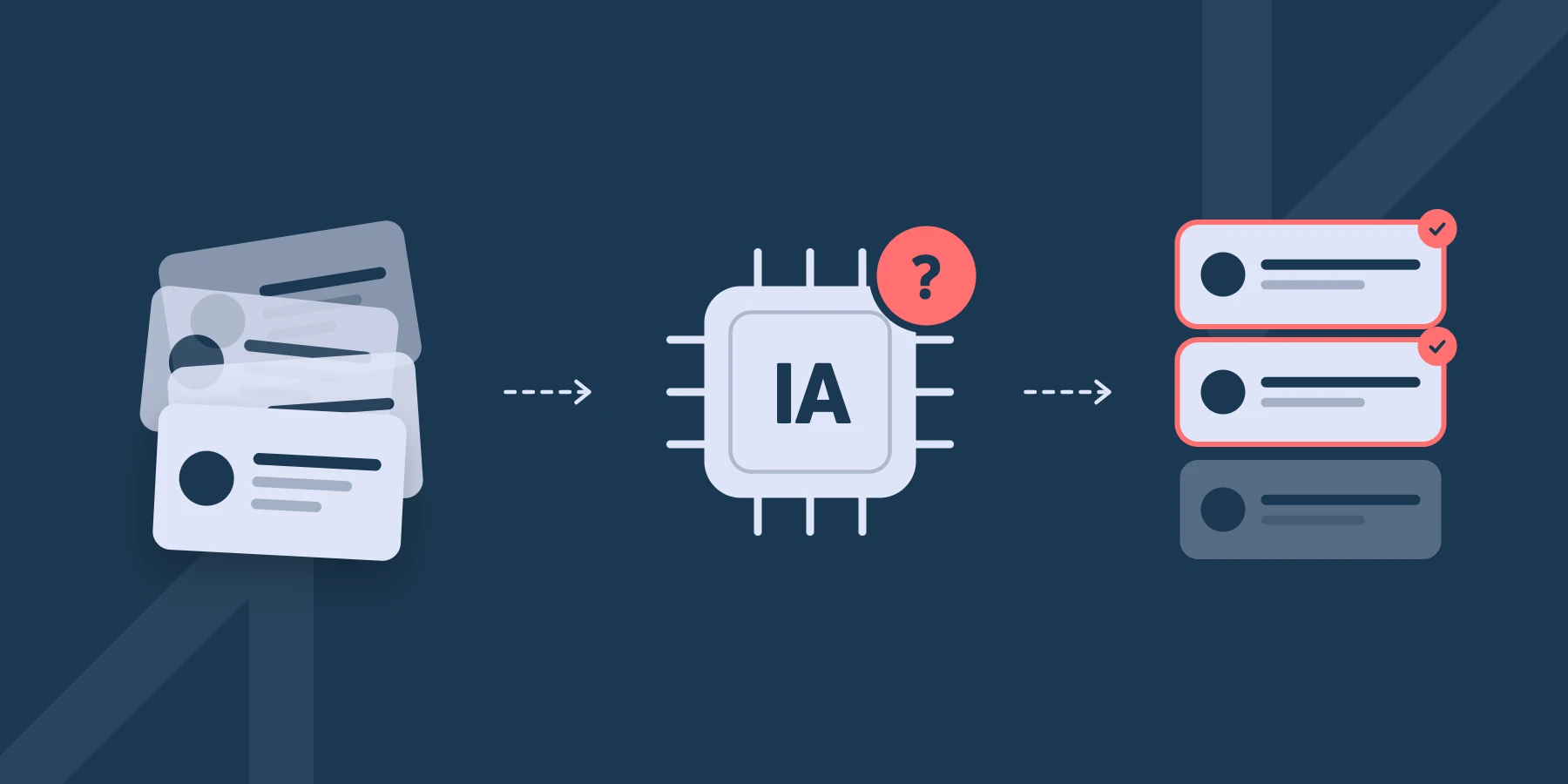
At my company, the HR department uses AI to screen job applications, sharing applications with it so that it can help identify the strongest candidates. Can you entrust the screening of job applications to AI?
Dexio’s response
Entrusting AI with screening applications presents several significant risks that need to be managed.
Firstly, as AI is trained on human data, it reproduces our societal biases and, without oversight, can amplify discrimination in recruitment.
Furthermore, in accordance with European regulations, candidates must be informed of any automated processing and must be able to request a human review. This reflects the authorities’ genuine concern about the potential misuse of automation.
Recruitment is first and foremost about human relationships. The use of AI tools must therefore be strictly regulated, particularly as not all solutions on the market are equally reliable.
Finally, personal data and privacy must be rigorously protected, making the use of solutions hosted in the United States potentially problematic.
Second question
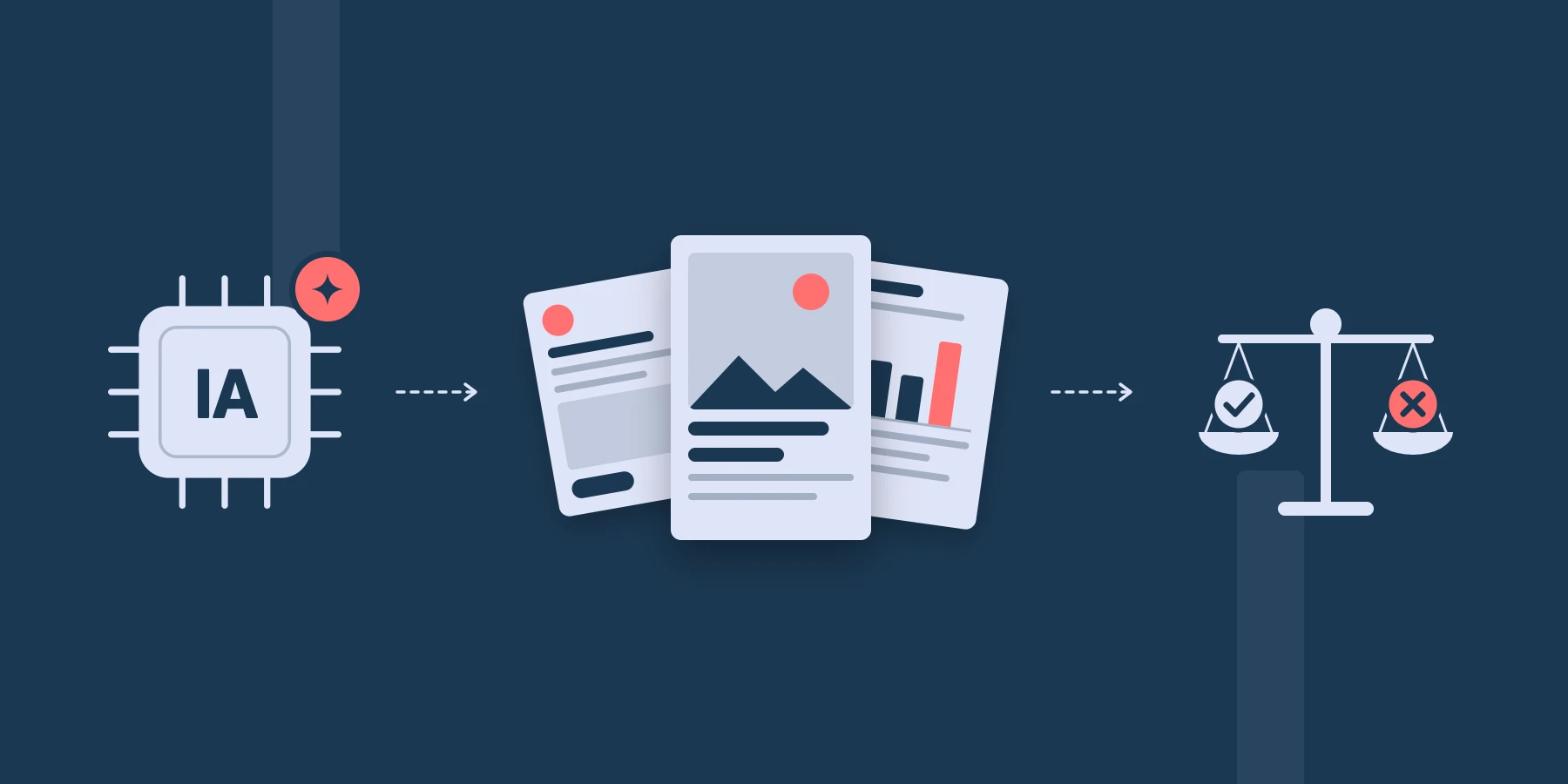
I use AI for internal communications (flyers, posters, annual reports, etc.). Good or bad idea?
Dexio's response
It depends primarily on the deliverable and the audience: the expected quality and tolerance for "good taste" vary from one medium to another. Whatever the medium, however, the use of AI must be governed by strict controls.
The main risk is sharing confidential information with AI providers without appropriate agreements, potentially allowing it to be used to train their models. Even a simple after-work flyer could be enough: a prompt mentioning the "Celebration of the secret launch of Project X in Q3", or revealing details of a forthcoming merger, exposes strategic information.
There is also a sense of déjà vu. AI-generated visuals are now everywhere: they quickly become tiresome and can give an impression of lower quality, or even a lack of care.
Finally, these practices raise real ethical questions regarding artists and graphic designers, whose work is often used without their consent, whose styles are imitated and whose work is devalued as a result.
Third question
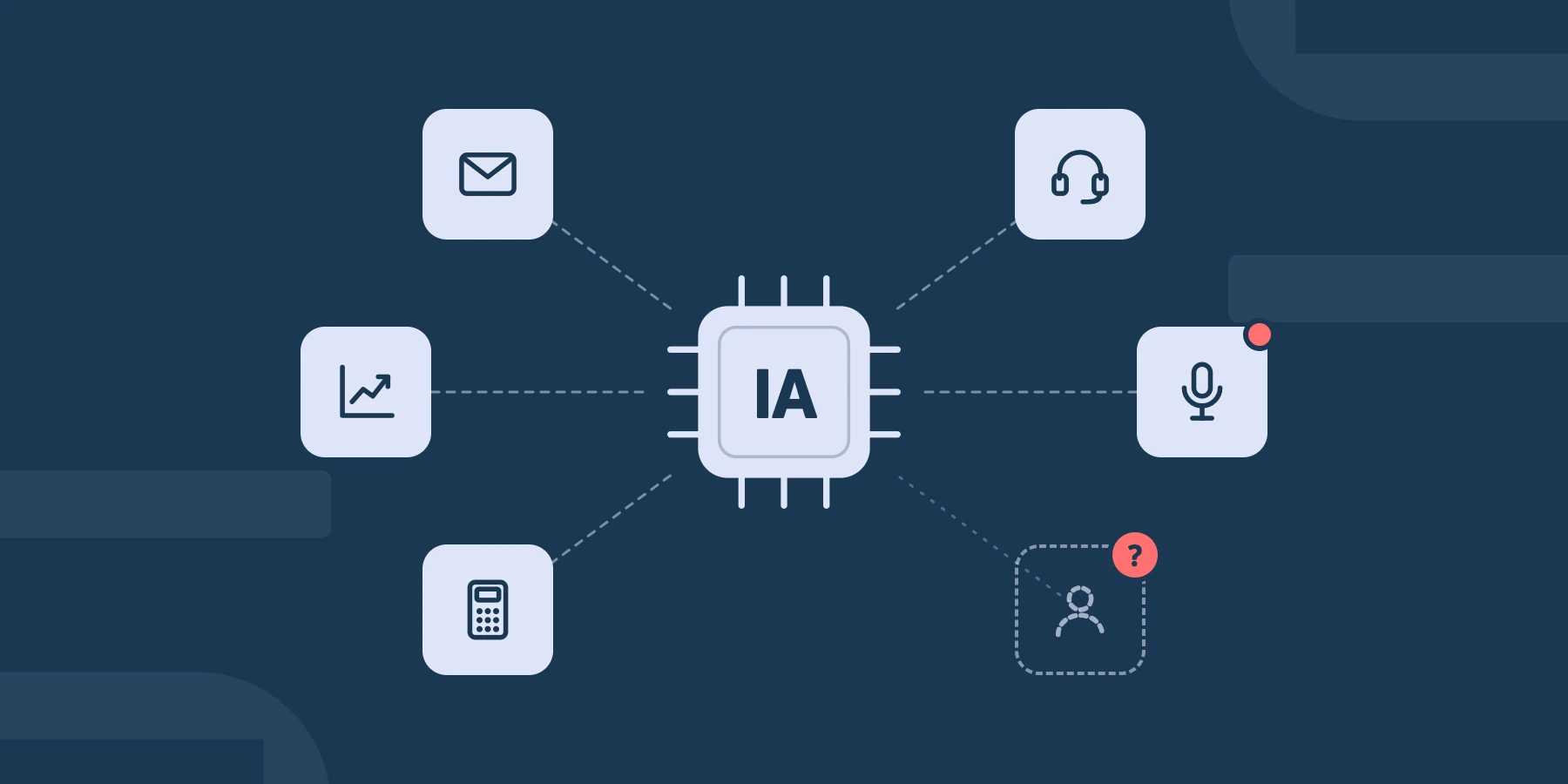
I write my emails with AI, and I use it to analyse the accounts and prepare budgets. It now handles the helpline at my company (so I no longer need to hire people to do it). I also use it to transcribe sessions automatically (people know everything is being recorded and censor themselves). Could you say this is a form of automating certain processes? (I’ve integrated AI into my company and it now runs everything by itself.) Is this really what integrating AI means?
Dexio’s response
We also fully agree with the expert regarding the impact on cognitive load: the issue is not just the risk of being “dumbed down” by AI, but rather an “idea burnout” caused by simultaneously managing multiple dialogues and interactions with AI tools.
Thinking that one person can manage all of a company’s activities thanks to AI is an illusion that leads straight to burnout. While AI agents can quickly generate large volumes of content and tasks, their accuracy remains relative: rigorous human oversight is essential before anything is finalised. Producing things faster therefore does not necessarily mean delivering them sooner, and may even lead to mediocre results.
Furthermore, the effectiveness of an AI agent depends directly on the professional expertise of the person who configures and supervises it. Without genuine knowledge of the field, the results produced will inevitably lack quality.
At Dexio, for example, we use AI for code development, but our teams retain full control over all deliverables. We devote more time to preliminary analysis and drafting precise specifications than to raw generation. So, if integrating AI leads to mediocre results, a lack of human oversight or a hindrance to the application of professional expertise, it becomes counterproductive and ultimately undermines perceived value as well as the overall quality of the service.
Fourth question
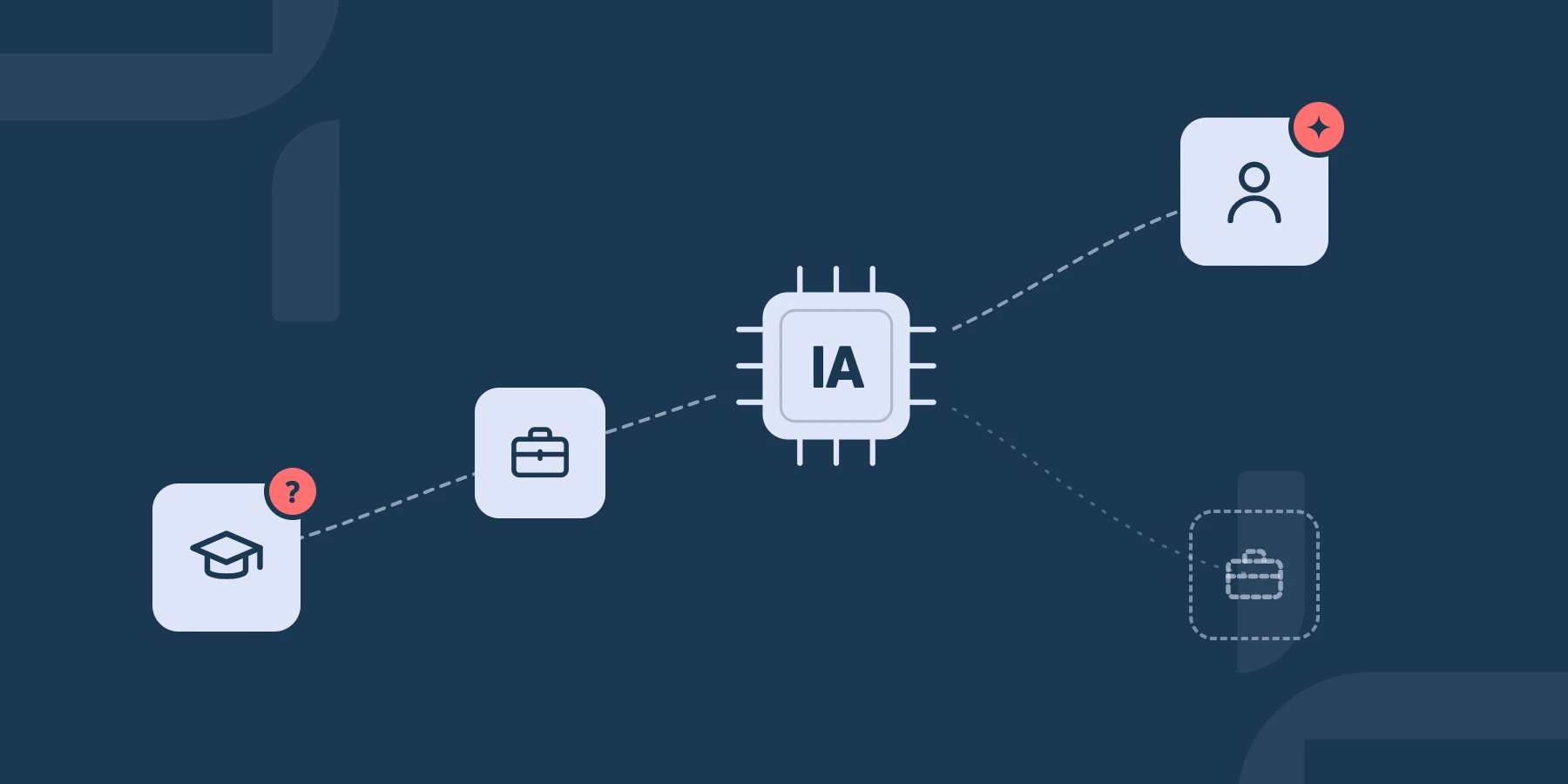
How do you see the labour market evolving as AI becomes more widespread in the business world? What changes will this bring for new generations?
Dexio’s response
Two major approaches are likely to come into conflict in the future.
On the one hand, some companies will invest heavily in AI with the primary aim of reducing costs in the short term, seeking to automate as many tasks as possible.
On the other, organisations will favour in-depth strategic analysis to assess the true added value of gradually and sustainably integrating AI into their processes.
However, whatever direction they choose, people will remain an essential link at the heart of the system, both in terms of employees and customers. Companies that can reconcile technology with the human dimension will foster an atmosphere of trust, encouraging loyalty among their teams and customers. Conversely, those that opt for blind automation risk facing high staff turnover and a gradual deterioration of their brand image.
For the next generations, the main challenge will be to develop as “augmented humans” and informed decision-makers. These employees of the future will need to be supported by a clear AI governance framework within their company, alongside fair recognition of the work accomplished and the value created, even if actual working hours were to decrease. Ultimately, the real question we need to answer is a collective one: how can society as a whole make use of these productivity gains from automation to improve everyone’s well-being?
Fifth question
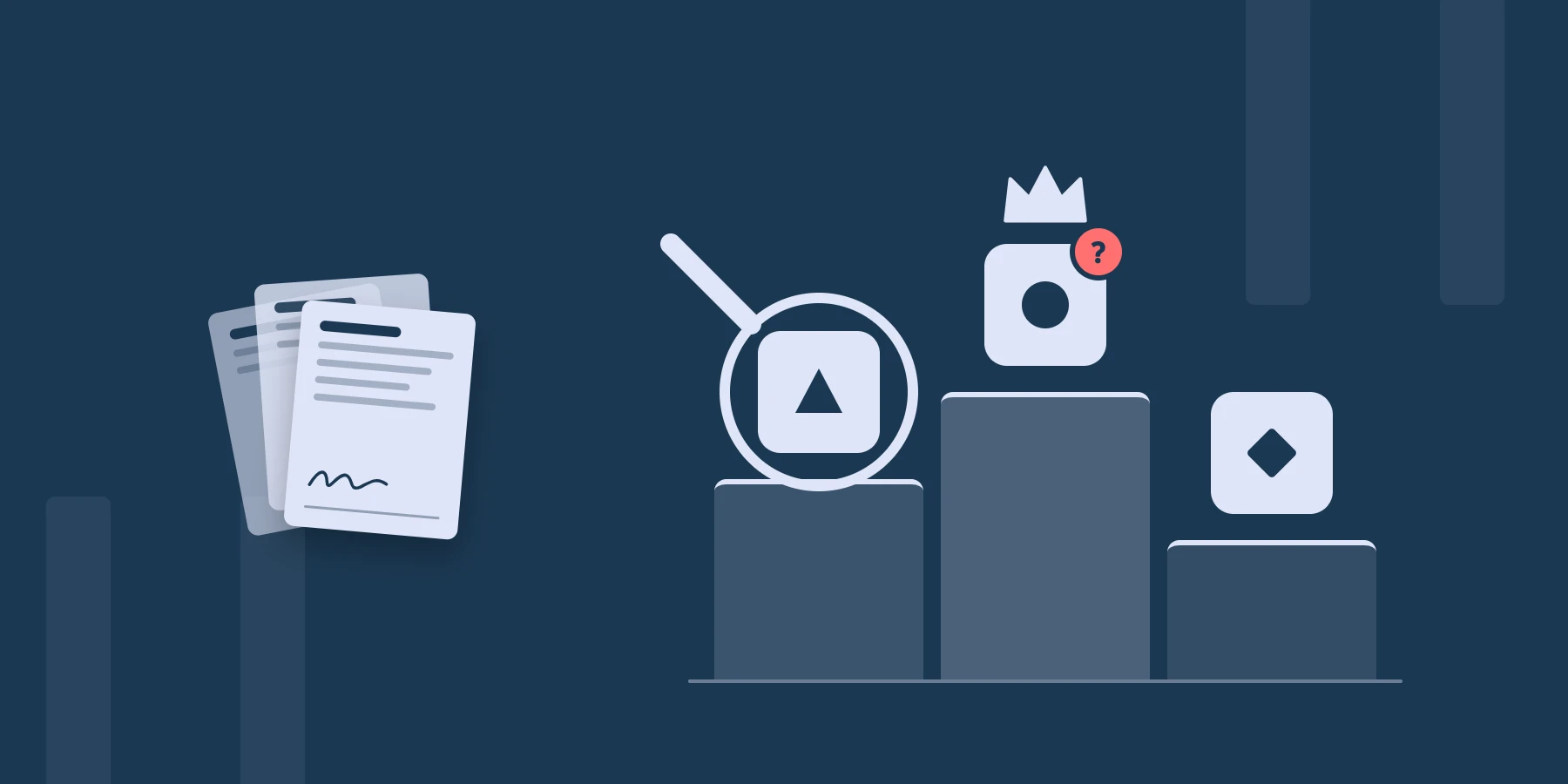
How should you choose which provider to work with? Is it a good idea to have several contracts? Is it right to choose the best-known providers simply because they are the most widely used and therefore presumably the best?
Dexio's answer
The choice depends above all on how you want to govern AI within your company. If the confidentiality of your data, your employees' data and your customers' data is not a priority, you can turn to the largest and most capable players on the market (currently, mainly American). However, the main risk is becoming entirely dependent on these providers.
By relying exclusively on proprietary AI APIs or US-based "black box" models, a company is directly exposed to geopolitical developments, regulatory changes and unilateral changes to pricing and terms of use. If a provider changes its access arrangements or privacy rules, the continuity of the entire business may be compromised.
Having multiple contracts or outsourcing parts of a process to various external providers already carries risks in normal circumstances, but integrating AI amplifies this considerably. That is why we recommend carefully assessing the strategic impact and level of criticality of AI in your business.
It is essential to integrate AI in a way that preserves the flexibility to switch providers easily. Without an appropriate internal abstraction layer, replacing a closed proprietary service becomes extremely costly and complex. At Dexio, we help you design bespoke software and integrate AI to ensure your long-term strategic and technological independence.
Final question.
Perspectives? Hopes? The future of AI?
Dexio’s response
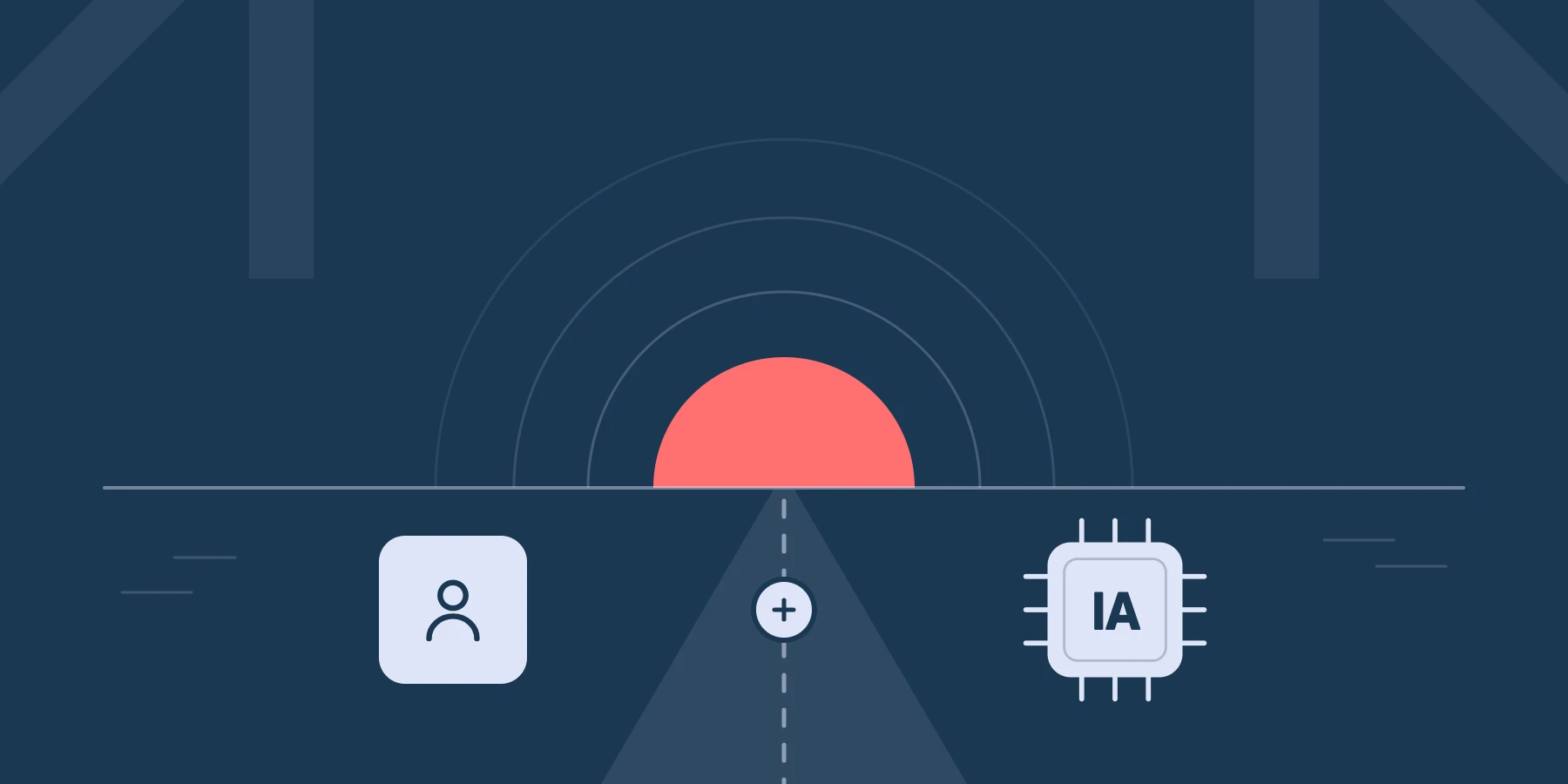
From our point of view, AI will continue to expand and evolve at a rapid pace. It will become a permanent feature of our tools, our professions and our daily routines. However, we do not believe in a future where it would replace humans. We believe in a future where it enhances human capabilities.
Our hope is for AI that frees up time for what really matters: thinking, creating and exchanging ideas. We hope it will be integrated in a methodical way, under human control, with respect for data and without blind dependence on suppliers. We also hope that productivity gains will benefit everyone’s well-being, and not just serve to reduce costs.
To achieve this, we will need to learn to understand it rather than simply endure it, maintain a critical perspective and keep up with a field that changes within a matter of months. This is the approach we champion at Dexio, both in our projects and with our clients: AI that enhances quality, without replacing human expertise.
Are these questions coming up in your business too? Let’s take the time to talk about them. We can help you integrate AI methodically, under human oversight and without unnecessary dependence.